
 0
0
 0
0
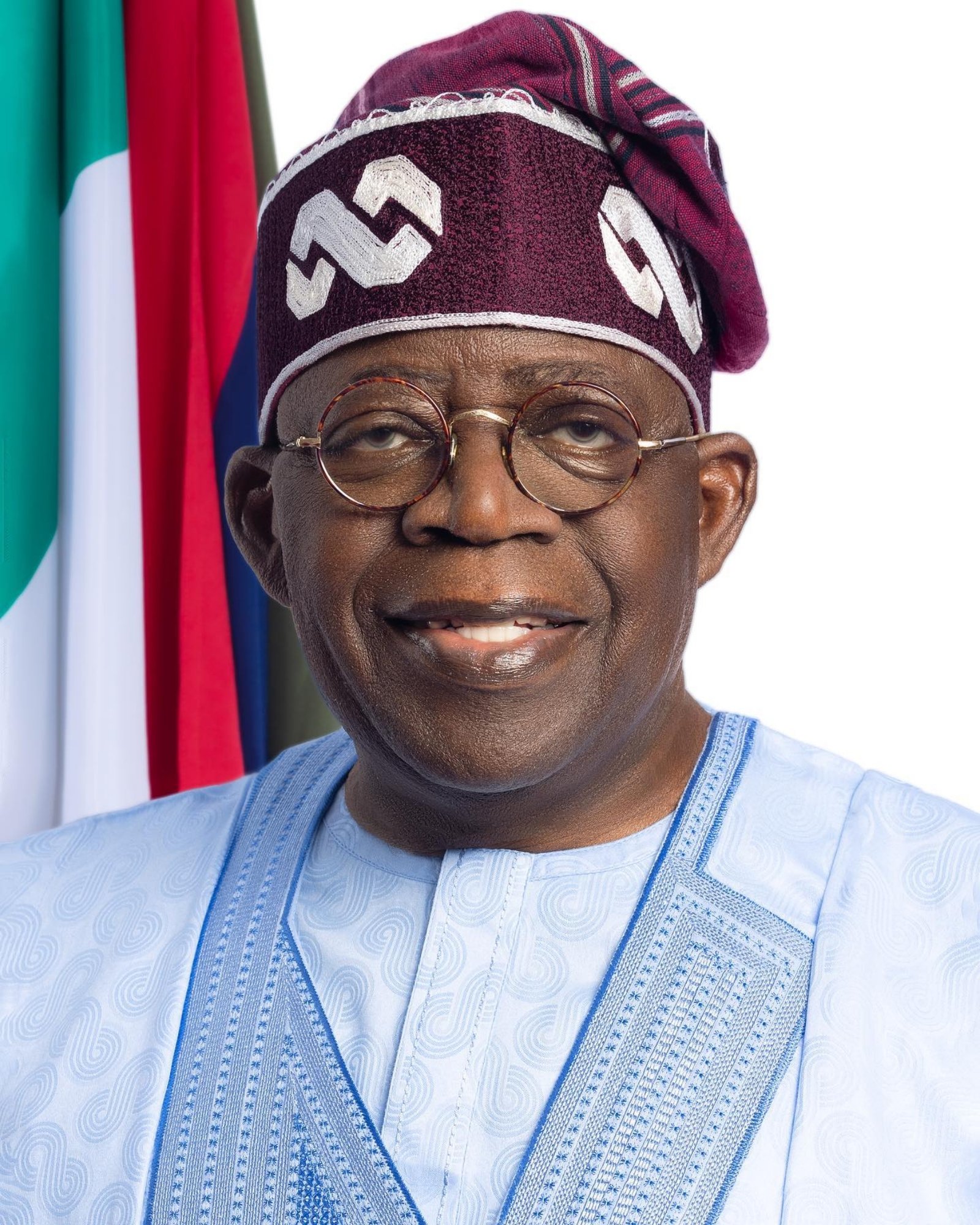
In October 2022, at an interactive session orchestrated by six northern groups for presidential hopefuls, I seized the chance to directly confront Bola Ahmed Tinubu about the long-stalled Mambilla Hydroelectric Project. As someone who has spent years tracking Nigeria’s infrastructural decay, my question was pointed: where’s your blueprint, your strategy for breaking the logjam of red tape, environmental hurdles, and administrative inertia? Tinubu, with a trademark air of bravado, looked me dead in the eye and simply declared he would “find the money” because he’s “a money man.” That answer laid bare a fundamental void – not just a lack of vision, but a total disregard for the complexities at hand. It became painfully clear, then and there, that Nigeria was about to be steered by swagger rather than substance, and that uncertainty was our new national direction.
True to that ominous forewarning, Tinubu’s tenure opened with a fiscal sledgehammer. His very first act – tearing away the petroleum subsidy – didn’t just shake the economy; it shattered it. Years of policy debate were swept aside with a flourish, justified as a bold move to “free resources” for development. The reality? A tidal wave of inflation crashed over every household, making life an exhausting fight for survival rather than a journey towards prosperity.
Under this administration, the taxman’s reach is relentless; there’s not a nook left unlevied. The Tax Reform Committee’s chairman even boasts that not even sex workers are spared. State propaganda crows about unprecedented revenues, but for the Nigerian on the street, these so-called achievements are meaningless. Day-to-day existence has become a grim struggle, with hunger and hardship the new status quo. The state’s coffers swell, while the people’s hopes shrivel. The chasm between cold figures and lived reality has never been wider, nor more cruelly exposed.
Seasoned observers aren’t fooled: Nigeria is being run like an outsized Alpha Beta fiefdom – a reference to the notorious Lagos revenue machine. Aggressive centralisation and revenue extraction may bolster the treasury, but they do nothing for the millions battling for basic dignity. Empathy is conspicuously absent from Tinubu’s playbook; compassion is derided as weakness, an outdated relic for those unwilling to toe the line.
Events since October 2022 have hammered home a brutal truth: technocratic reforms mean nothing if they trample the people they’re supposed to serve. Record-breaking revenue is no victory when it’s measured against the backdrop of pervasive misery. Without a radical pivot towards inclusivity and real care for ordinary Nigerians, the country is on a fast track to becoming a place where mere survival eclipses hope.
Yet, amidst the government’s thunderous self-congratulation over its revenue feats, Nigeria’s appetite for borrowing has grown ravenous. It’s a maddening contradiction: if we’re raking in cash hand over fist, why are we still drowning in debt? The answer isn’t buried deep – it stares us all in the face. Structural failings and, more damningly, the relentless rot of corruption continue to bleed the nation dry, making a mockery of all official claims to progress.
Corruption, that old and stubborn enemy, sits at the heart of our national malaise. Audits and investigations have become a ritual of disappointment; money flows in, but service delivery stagnates because vast sums are siphoned off by bloated patronage networks and shadowy procurement scams. The government parades itself as a model of fiscal discipline, yet Nigerians know better – behind the curtain, it’s business as usual, with rent-seeking and mismanagement derailing any hope of meaningful reform.
This rot is fuelled by a politics obsessed with power hoarding, not genuine leadership. Tinubu’s government has doubled down on centralisation, rewarding loyalists and fortifying its political fortress at the expense of transparency and democratic inclusion. The long-term needs of Nigeria are sidelined; all energies are focused on one thing – ensuring Tinubu’s grip on the levers of power for another term. This is governance not for the people, but for the perpetuation of privilege.
Fiscal policy is where this hypocrisy is laid bare: revenues soar, but so does debt. Instead of using newfound wealth to pay down liabilities or build public goods, the government squanders it on salaries and politically expedient projects shrouded in secrecy. There’s no honest explanation for this endless borrowing spree. The result? A deepening public cynicism and a widespread sense of betrayal. The supposed “successes” are nothing more than window dressing, obscuring the same old failures.
The human cost is impossible to ignore. Protests by desperate local contractors in Abuja – unpaid for months, sometimes years, despite delivering vital infrastructure – are a grim reminder that the government’s boasts mean little when livelihoods are destroyed by official neglect. For the very people who should benefit most, government spending is a rigged game, and frustration has reached boiling point.
In the end, Tinubu’s economic doctrine is exposed as a damning cycle: soaring revenues, ballooning debt, entrenched corruption, and a leadership more concerned with its own survival than that of its citizens. Without a seismic shift towards openness, accountability, and genuine public service, Nigeria risks being forever trapped in a loop of false promises, where hope is rationed and prosperity never arrives.


