
The Ritual of the Presidential Detainee
Nigeria’s political history since the return to civilian rule in 1999 has produced a curious and troubling pattern – one that is rarely acknowledged openly but is nonetheless visible to Continue Reading
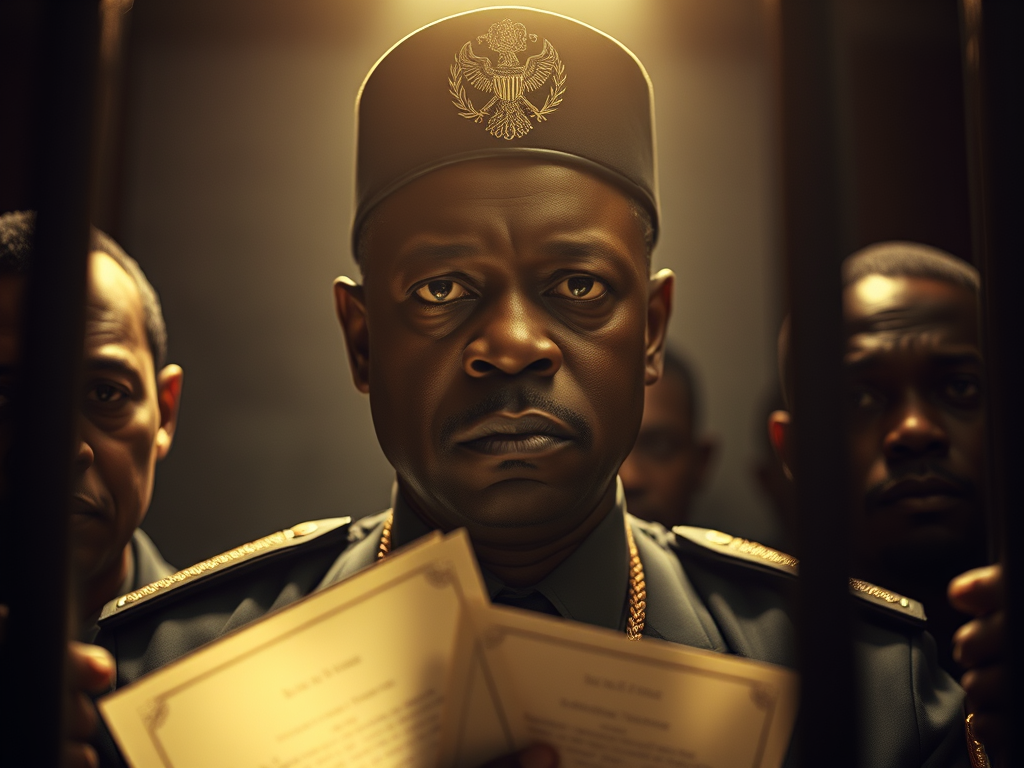
Nigeria’s political history since the return to civilian rule in 1999 has produced a curious and troubling pattern – one that is rarely acknowledged openly but is nonetheless visible to Continue Reading

If the Bases Come, the Missiles Will Follow The widening arc of confrontation between the United States and Iran has once again revealed a recurring pattern in the architecture of Continue Reading

On February 26, 2026, the opposition held a world press conference. In a healthier democracy, that would be routine. In Nigeria’s current political climate, it felt almost seismic – not Continue Reading

About ten years ago, the Nigerian public sphere went into convulsion. A poor wheelbarrow pusher known as Yunusa, alias Yellow, was accused of abducting a young girl, transporting her across Continue Reading
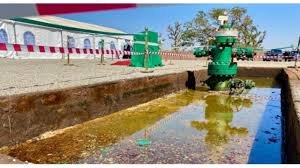
Let us dispense with euphemisms. The suspension of the 30 percent allocation from NNPC Limited’s profit oil and profit gas to the Frontier Exploration Fund – as explicitly provided for Continue Reading
Fifty years after General Murtala Mohammed thundered that “Africa has come of age,” Nigeria now risks advertising to the world that it has come of dependence. The distance between those Continue Reading

What is unfolding in Nigeria today is not routine politics; it is a test of whether democracy here is substance or stagecraft. The Tinubu era is beginning to look less Continue Reading
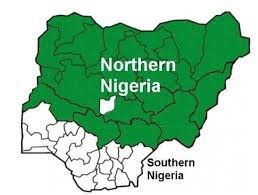
Paradoxically, the North’s strongest argument for Nigeria’s continued unity would emerge from such preparation. A region that has thought seriously about standing on its own feet will negotiate the federation from a position of confidence rather than fear. One that cannot imagine survival outside the union will cling to unity as a substitute for reform, confusing dependence with patriotism.

An electoral umpire whose antecedents and public record raise legitimate concerns about neutrality becomes not a referee but a facilitator, presiding over processes whose outcomes are tacitly assumed in advance.
Under British rule, Northern Nigeria functioned primarily as a supplier of raw materials and agricultural produce, while processing, trade, and capital formation occurred elsewhere – often offshore. What we are witnessing today is a post-colonial revival of the same model, with Abuja replacing London and Lagos assuming the role of the imperial entrepôt. The North is once again being positioned as a hinterland – useful only for what can be extracted from it.